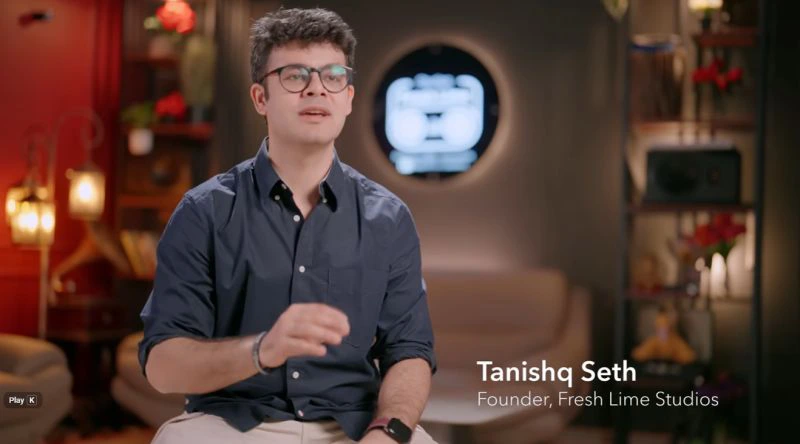
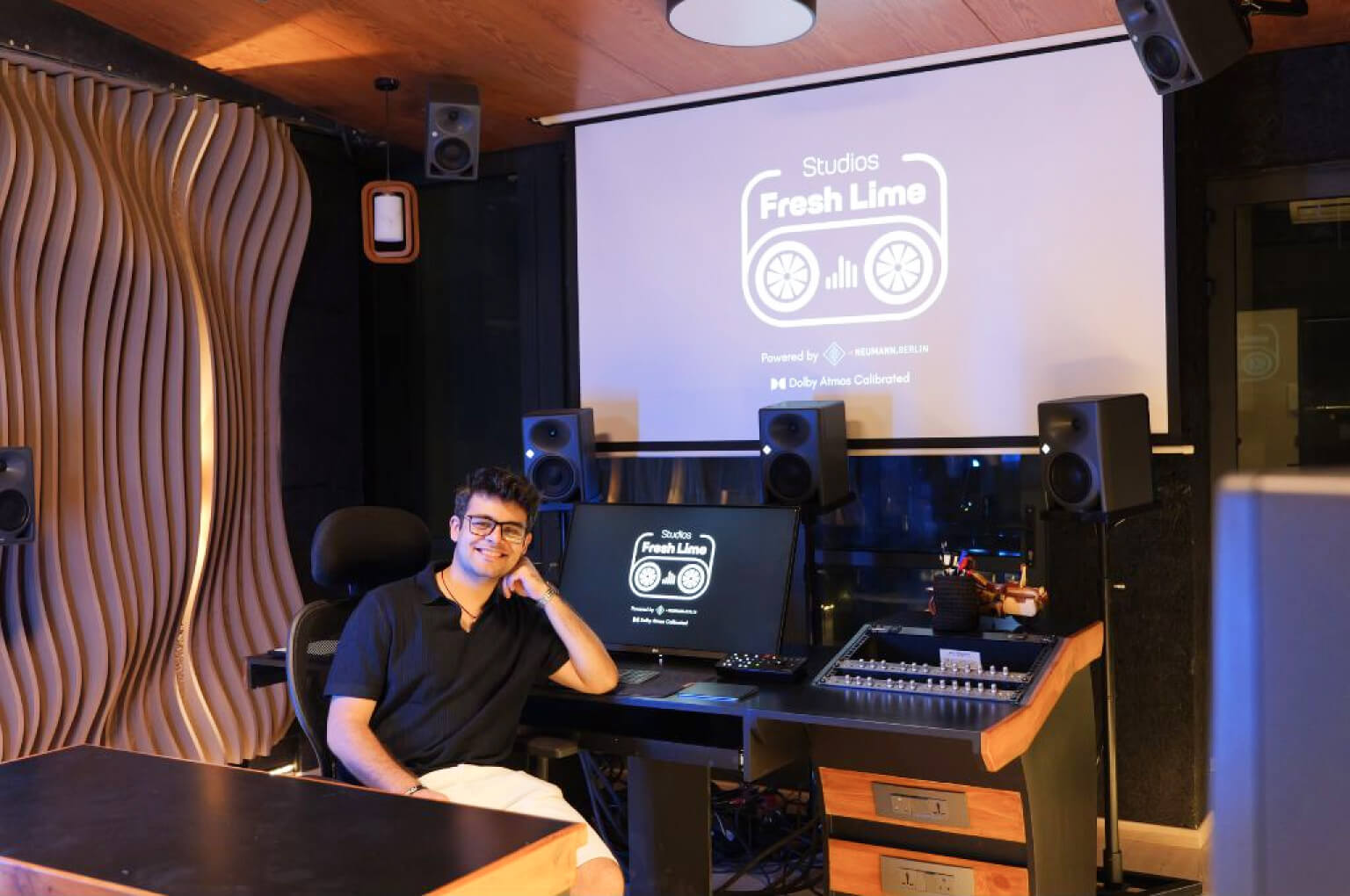
A few months ago, I had the opportunity to collaborate with Dolby India and boAt Lifestyle to share how immersive sound is actually built.
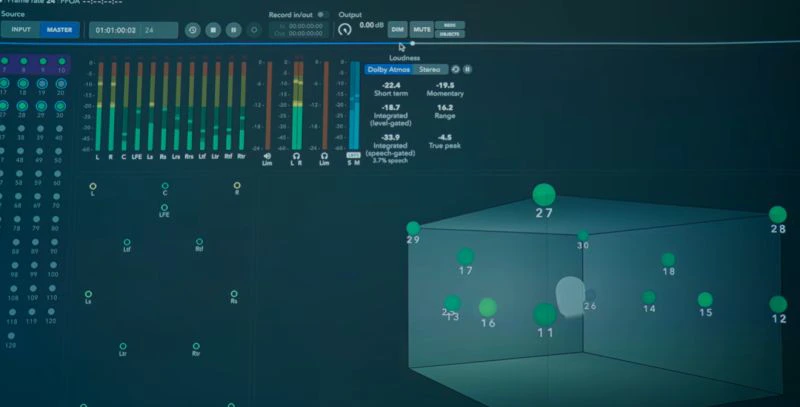
At its core, Dolby Atmos is about placing sound with intent.
When you mix in Dolby Atmos, every sound becomes an object. Instead of being locked to channels, you decide where that sound should exist in a three-dimensional space around the listener, in front, behind, or above.
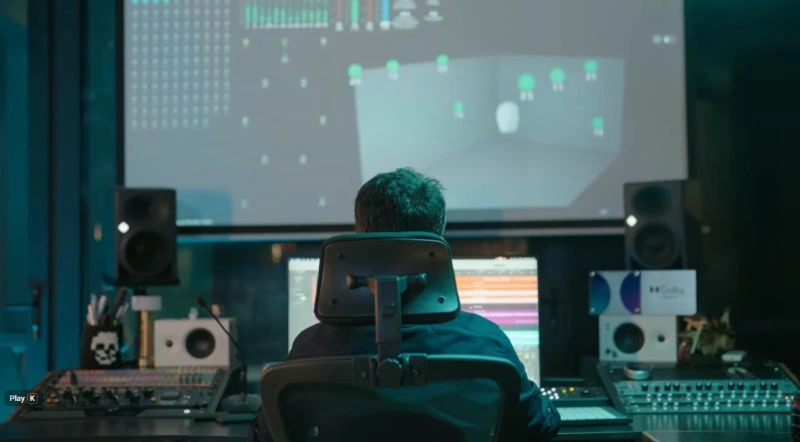
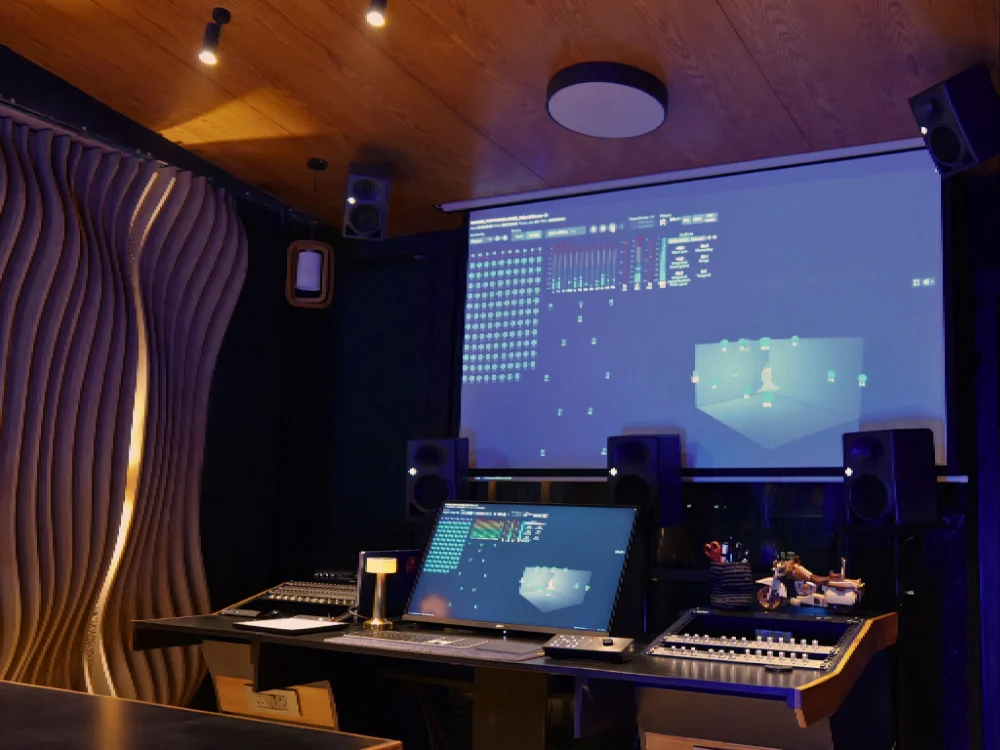
This is exactly how we approach immersive mixing at Fresh Lime Studios.
The process always begins on professional studio monitors, where we shape placement, balance, and space in a controlled environment. But immersive sound is never complete inside the studio alone.
The real test is whether that intent survives when the mix moves into a real listening space.
In a true Dolby Atmos 5.1.2 system:
1️⃣ The front and surround speakers handle the ground plane.
2️⃣ The subwoofer anchors the low end.
3️⃣ The upward-firing drivers reflect sound off the ceiling to create height.
The system then intelligently balances these elements so the experience feels immersive, but natural, not exaggerated.
Once the mix is done, we always pause to check for consistency:
➥ Are the vocals still anchored and clear?
➥ Do instruments sit naturally across the soundstage?
➥ Do overhead textures add emotion without becoming distracting?
This collaboration was about showing how studio intent, Dolby Atmos technology, and real-world playback come together to create immersive sound that truly translates.
Grateful to Dolby India and boAt for hosting this collaboration and allowing me to share the process.
If you’re building or exploring immersive audio and care about how sound travels from creation to consumption, I’d be happy to connect and exchange learnings.
P.S. I’ve shared a full walkthrough of this Dolby Atmos mixing journey and how it behaves on a home setup.