After sharing about Fresh Lime Studios’ partnership with Mahindra Automotive and Dolby India last week, I started getting a few questions from artists and creators: “What does this actually change for us?”
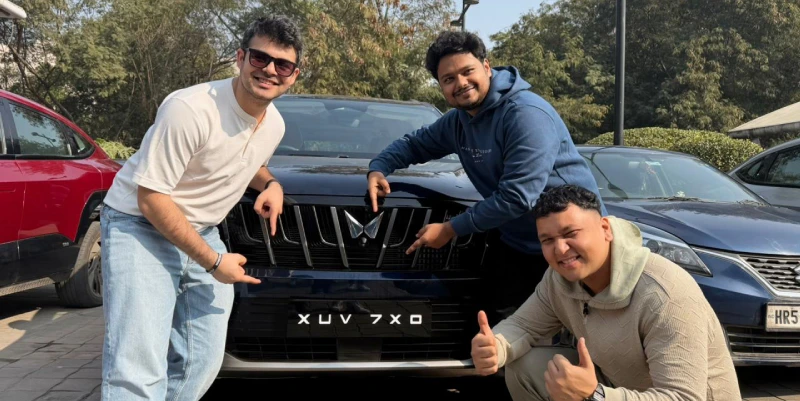
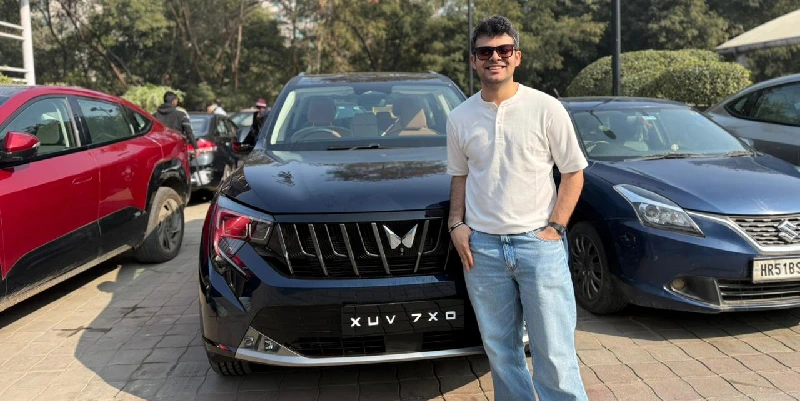
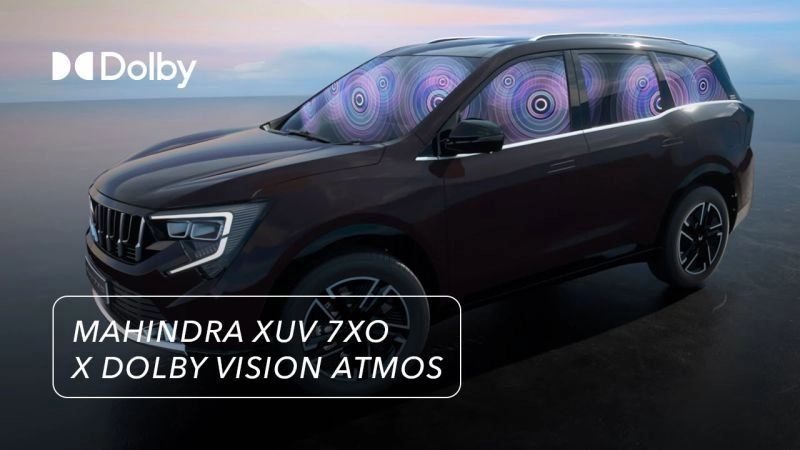
I don’t have all the answers yet, but one thing became clearer to me after seeing the launch and strong market response of the Mahindra XUV 7XO, India’s first SUV with both Dolby Vision and Dolby Atmos.
For a long time, Dolby Atmos in cars felt like a premium or luxury-only feature. That assumption seems to be shifting faster than many of us expected.
Here’s why I think these signals are worth paying attention to.
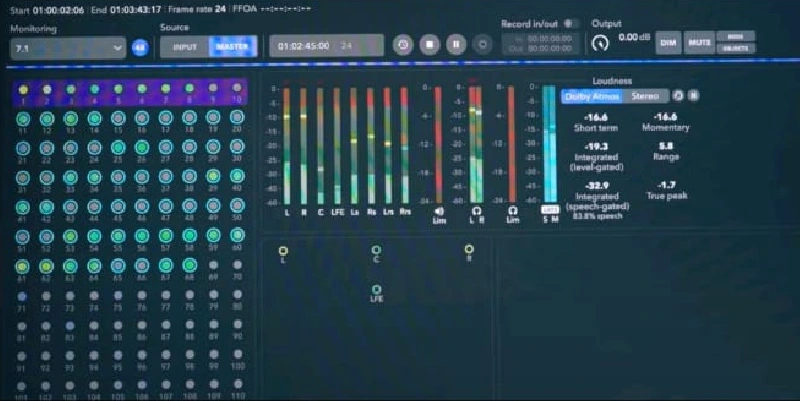
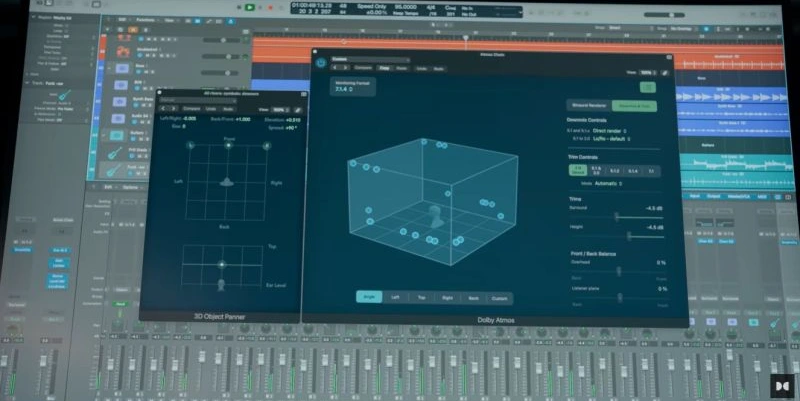
At CES 2026, Dolby Laboratories highlighted how quickly in-car immersive audio is scaling. Today, Dolby Atmos is available in more than 150 vehicle models across 35 global automotive manufacturers, and that number keeps growing.
What surprised me more is that this isn’t just a global trend anymore. As of early 2026, at least 8 car models in India already offer Dolby Atmos, including offerings from Mahindra Automotive, Tata Motors, and Maruti Suzuki India Limited, across segments and not limited to the top end.
From what I’ve seen while working closely with immersive audio, these points to a bigger shift. Content is no longer made for a single screen or a fixed listening setup. It’s starting to move fluidly, from homes to cars and beyond.
So maybe the real question:
Are we creating content that actually meets the audience where they already are?
P.S. Resharing
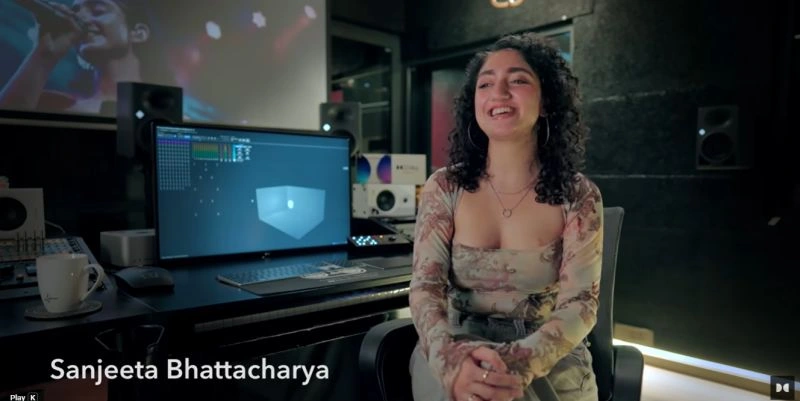
I did with the amazing Sanjeeta Bhattacharya, where we share our experience listening to Dolby Atmos music in a real in-car environment.
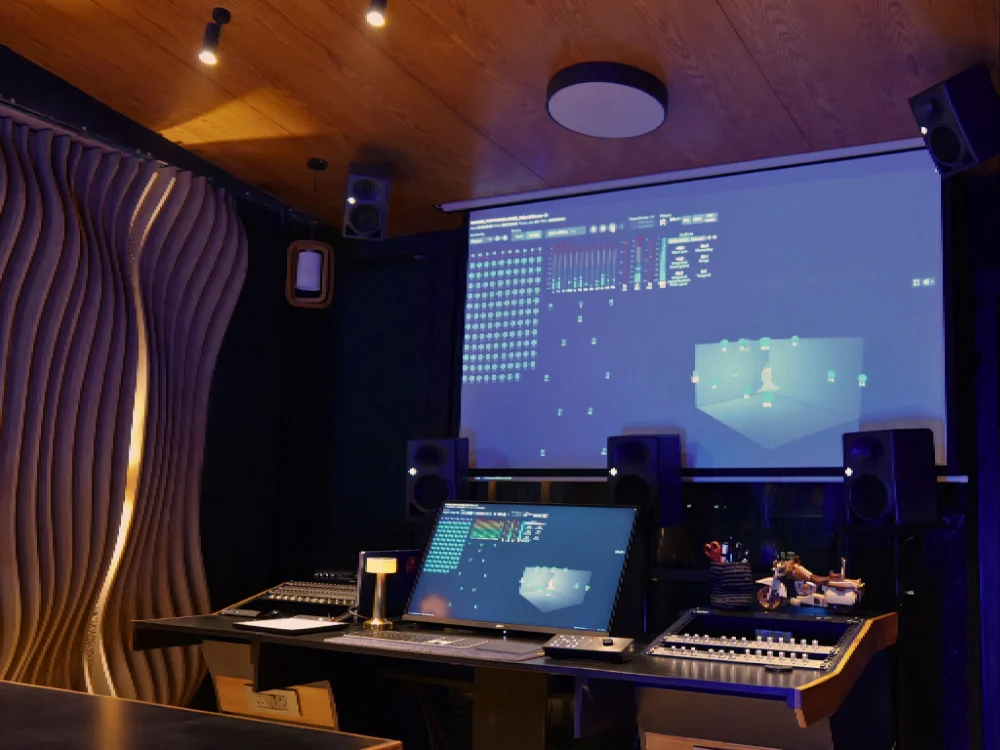
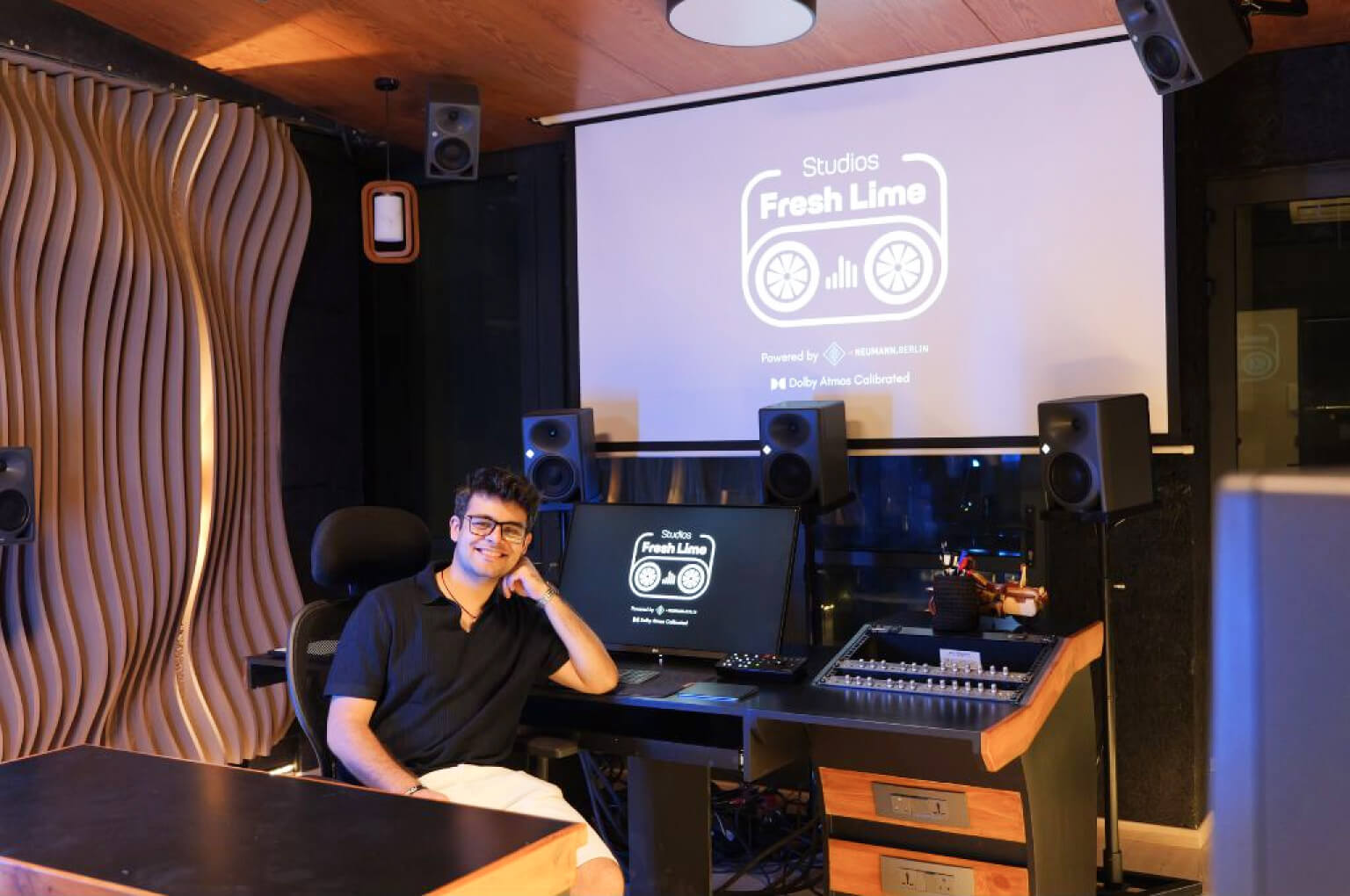
And the best part: the video was shot at our Fresh Lime Studios, Delhi.